
Why HVAC Distributors Are Ditching Standard Pallets for Custom Pallet Systems
Why HVAC Distributors Are Ditching Standard Pallets for Custom Pallet Systems
- Case Study, Insights
- Austria, Bahrain, Bulgaria, Denmark, Germany, Hungary, Kuwait, Moldova, Oman, Poland, Romania, Saudi Arabia, South Africa, United Arab Emirates
- Heating & Ventilation (HVAC)
- Industry solutions
Time lost during loading and unloading rarely shows up as a line item. But it adds up fast. For HVAC manufacturers and distributors handling packaged products at scale, every extra minute spent stabilizing cargo, repositioning rolls, or re-securing loads before shipment is a direct hit to throughput and labor efficiency.
The answer is rarely a faster team. More often, it is a smarter pallet.
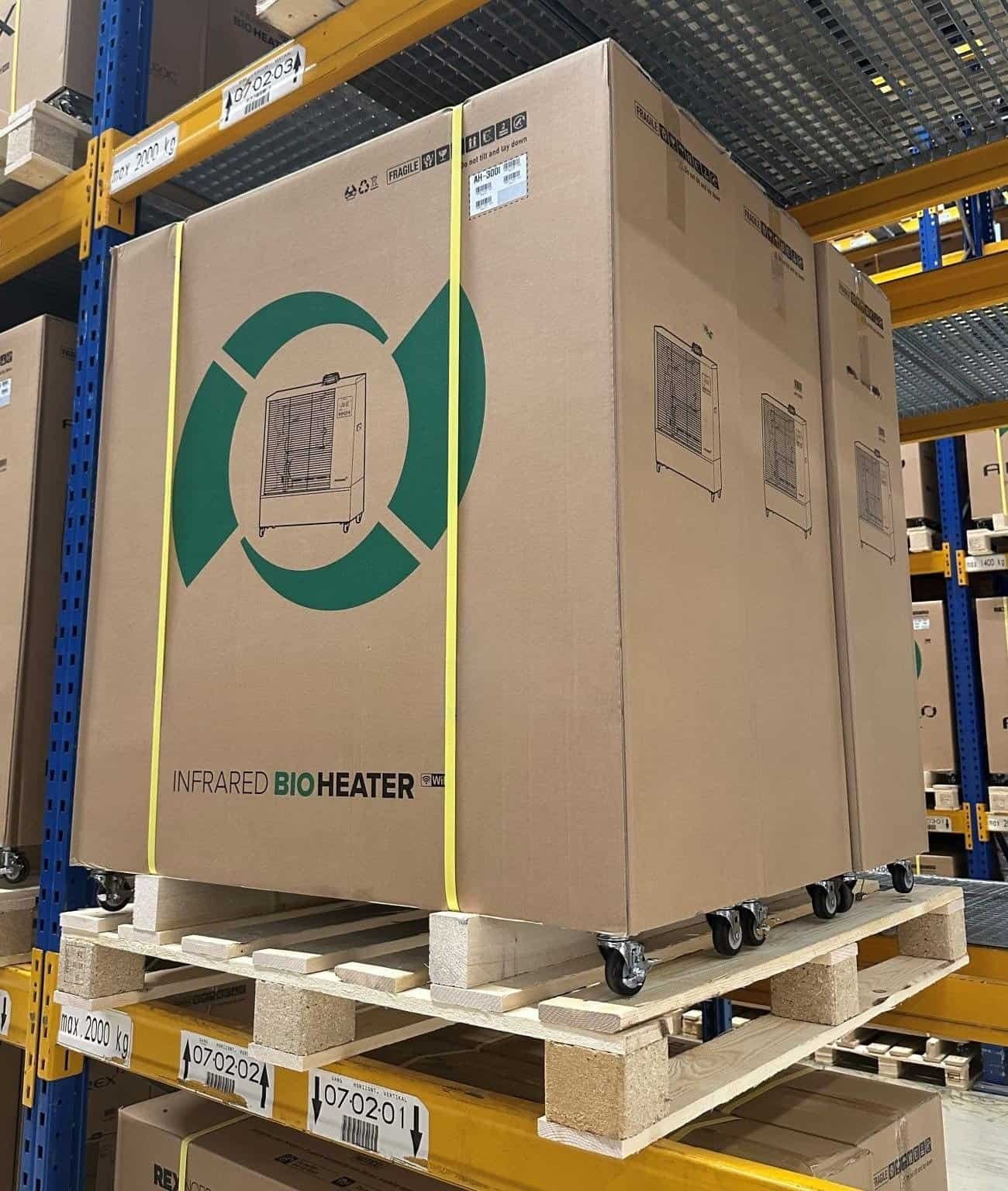
For one HVAC distributor shipping infrared bio-heaters and similar packaged products, this was exactly the situation. The products were stable once secured — but getting them there took longer than it should, and the risk of load shift during transit was a recurring concern.
Three Design Changes. One Significantly Better Outcome.
The custom pallet developed for this client combined three targeted modifications, each addressing a specific operational or safety requirement.
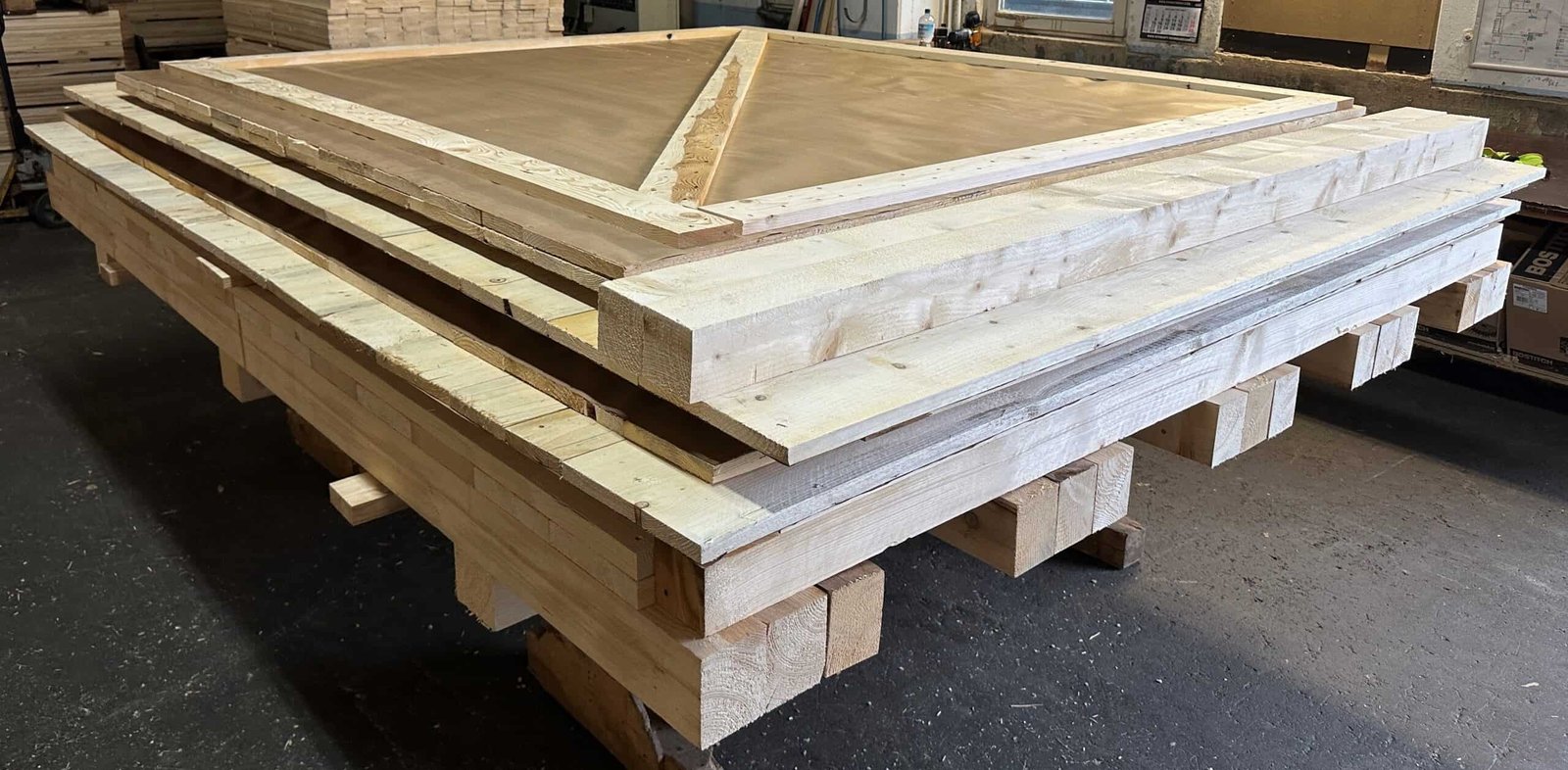
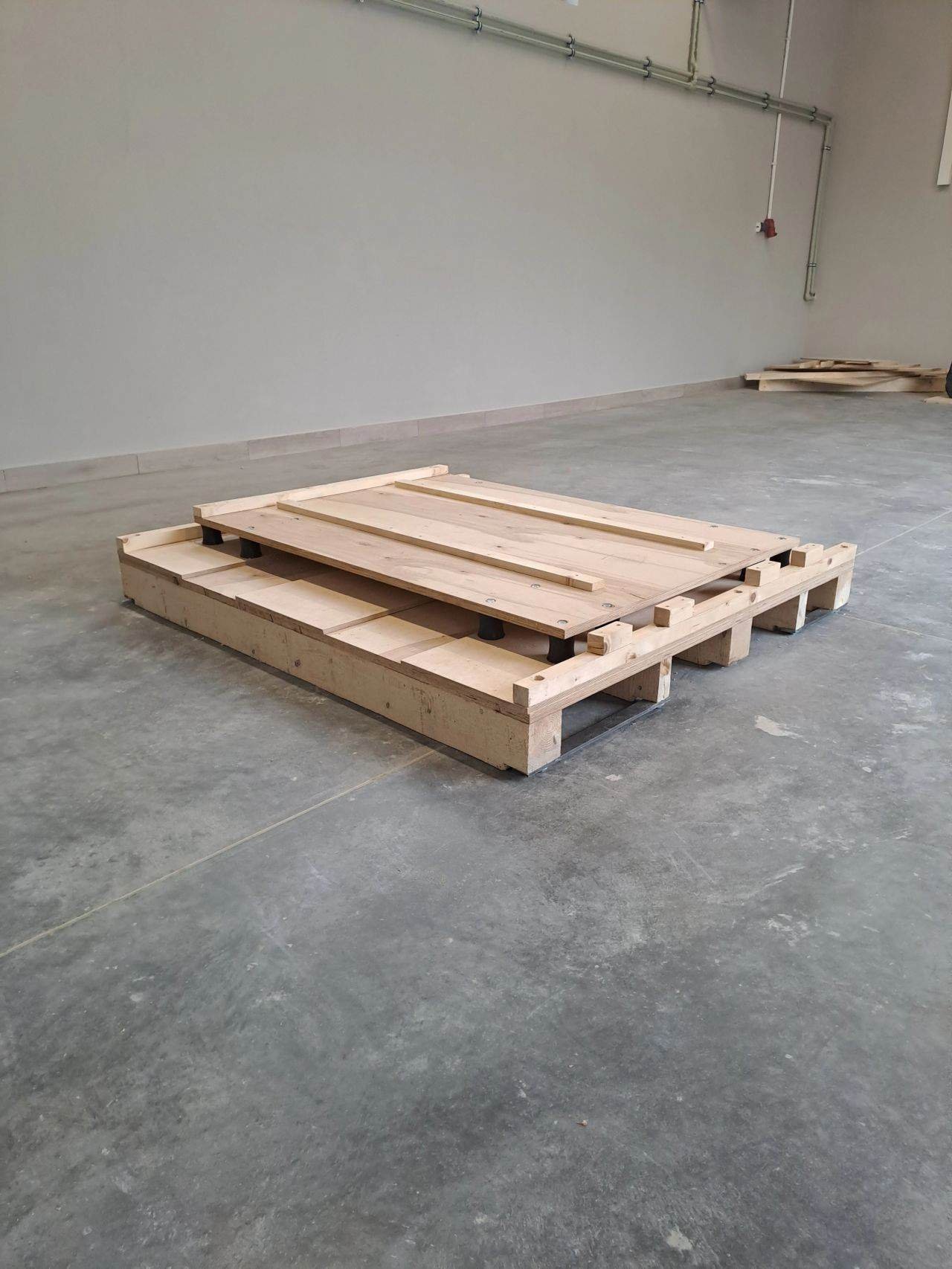
- Wooden slats added to the pallet deck. The boxed products contained rolls that created an uneven base and a tendency to shift under vibration. By adding raised wooden slats to the pallet surface at precise positions, the boxes were given a fixed mechanical reference point. This is a small addition with a disproportionate effect. Loading time decreases because workers place the box once, in the correct position, without adjustment. The product does not move during transit because the geometry of the pallet prevents it.
- Securing straps integrated into the system. The pallet is designed to work with strapping as a secondary layer of load security. Straps run over the top of the boxed units and anchor to the pallet structure, adding resistance to vertical movement and providing a clear visual confirmation that the load is secured before dispatch. When straps are the only thing preventing product movement, any strap failure during transit creates a problem. When straps are the second layer of security on a pallet that already holds the product in position, they add confidence without carrying the structural load alone.
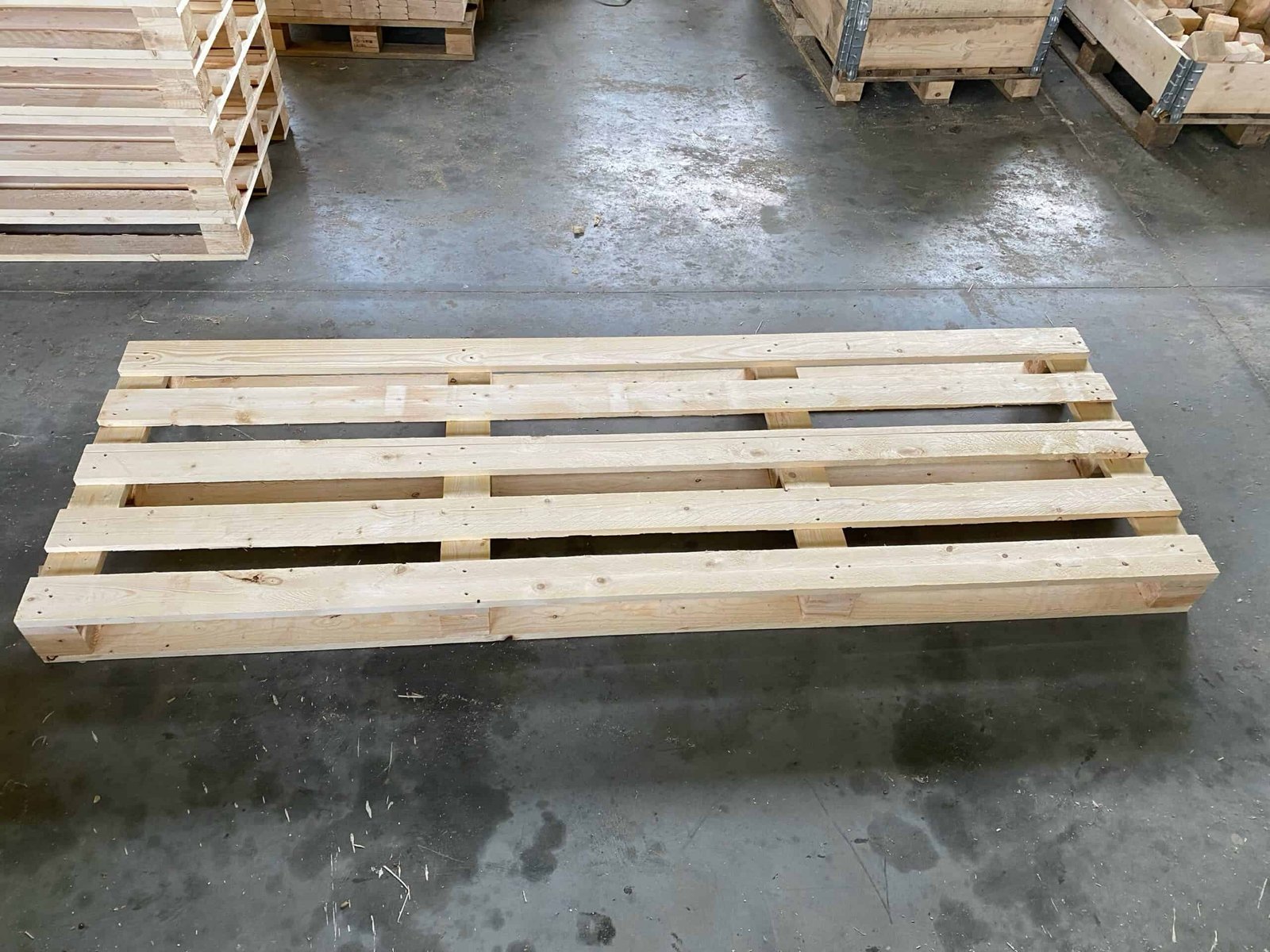
- Compressed pallet blocks as the foundation. The pallet uses compressed wood blocks rather than conventional solid timber blocks. This choice carries implications beyond material composition. Compressed blocks are produced from wood fibres and sawdust bonded under heat and pressure. They are denser than conventional timber, which gives them superior nail retention — relevant for a pallet that has been modified with added slats and must maintain structural integrity across repeated use cycles. And because they are produced from wood processing by-products rather than primary timber, they carry a materially better sustainability profile: the wood waste that would otherwise go to landfill is instead compressed into a structural component that performs better and lasts longer than what it replaces.
What This Means for HVAC Distributors Evaluating Their Pallet Setup
If your current pallet setup relies on worker improvisation at the loading dock, requires significant strapping to compensate for an unstable base, or treats pallets as single-use items, the case for a review is straightforward.
The modifications described here are not complex engineering projects. They are targeted adaptations to a standard pallet format, designed around the specific geometry and handling requirements of the product being shipped. The development process is collaborative, the specification is validated before production is scaled, and the result is a pallet that performs consistently across its full service life.
The question is not whether a better pallet is available. It is whether the current setup is costing more — in time, in product risk, and in material waste — than a purpose-built alternative would.
Ready to Review Your Pallet Setup?
Whether your challenge is load stability, loading speed, sustainability reporting, or total packaging cost, there is a structured path from current state to a packaging that was designed for what you actually ship.
Related publication
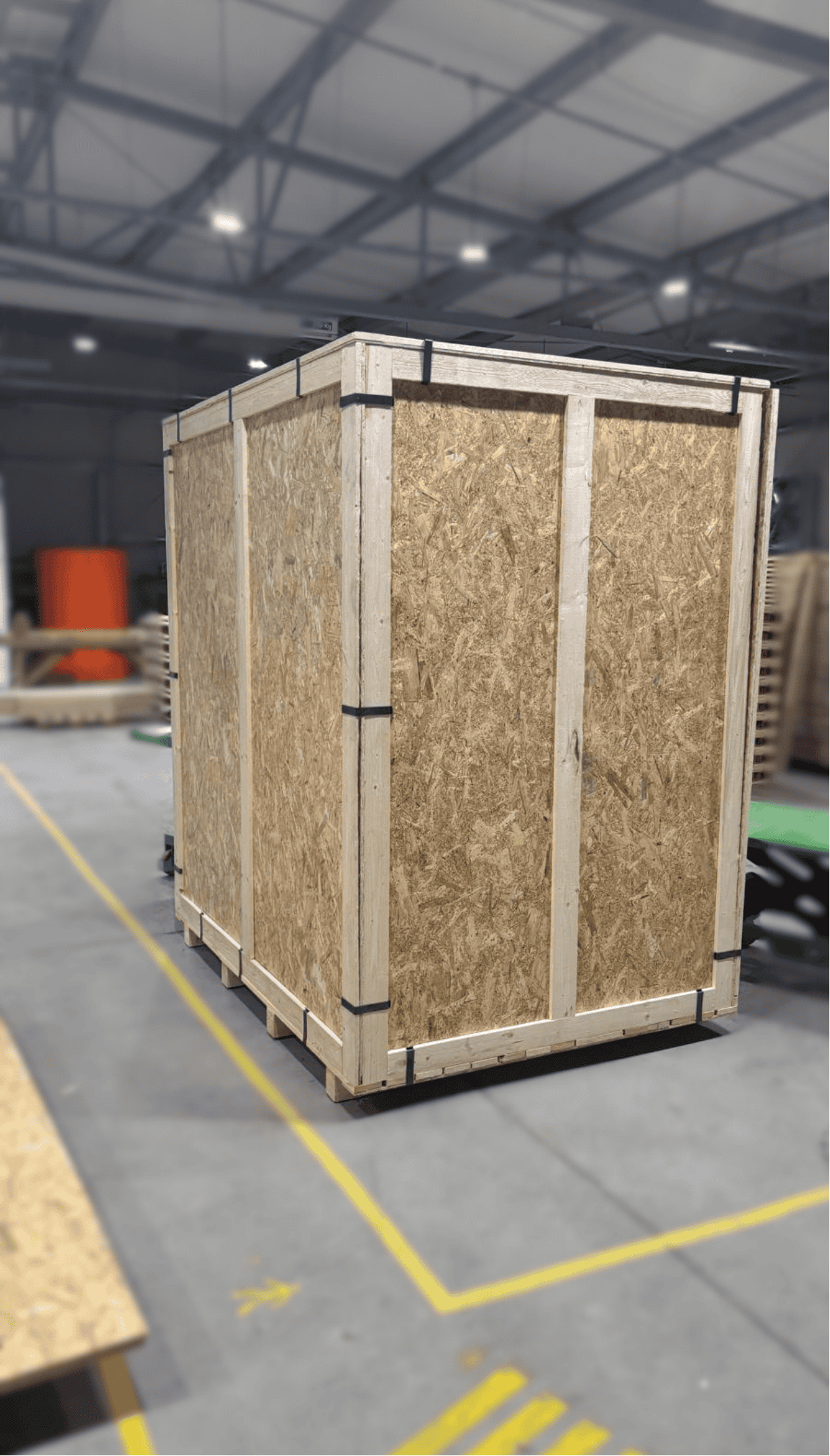
Packaging Irregular Aerostructures for Military Transport Aircraft: A Custom Wooden Crating Case Study
September 23, 2026
- Insights
- Austria, Bahrain, Bulgaria, Denmark, Germany, Hungary, Kuwait, Moldova, Oman, Poland, Romania, Saudi Arabia, South Africa, United Arab Emirates
- Defence
- Industry solutions

PPWR: what it means for your packaging supply chain
September 3, 2026
- Insights
- Austria, Bulgaria, Denmark, Germany, Hungary, Poland, Romania
- Business, Industry solutions, Sustainability
Would you like to know more details?
Fill in the form or ask the chatbot to establish the contact with us



 English
 Germany
 Hungary
 Poland
 Romania